



cost of mini computer
Introduction to Compact CPUs in Industrial Automation In the rapidly evolving landscape of industrial automation, the demand for high-performance, space-efficient, and robust control solutions has never been greater. Central to this demand is the compact cpu , a critical component engineered to deliver powerful processing capabilities within a minimal footprint. These specialized Central Processing Units are designed to meet the rigorous demands of diverse industrial environments, enabling efficient control, precise data processing, and seamless communication in applications ranging from discrete manufacturing to complex process control. Our focus on industrial-grade solutions ensures that our compact CPUs provide unparalleled reliability and performance, serving as the brain for automation systems where space, cost, and operational continuity are paramount. They are instrumental in optimizing operational efficiency, reducing downtime, and fostering innovation across various industrial sectors. Industry Trends in Compact CPU Technology The industrial automation sector is currently shaped by several key trends, all of which underscore the growing importance of advanced compact cpu solutions. Miniaturization continues to be a driving force, pushing manufacturers to integrate more functionality into smaller form factors without compromising performance or reliability. This trend is crucial for control cabinets with limited space, facilitating modular and distributed control architectures. Another significant trend is the proliferation of industrial IoT (IIoT) and Industry 4.0 paradigms. Modern compact CPUs are increasingly equipped with enhanced communication interfaces, such as integrated Ethernet ports supporting protocols like PROFINET and Modbus TCP/IP, enabling seamless integration with cloud platforms, enterprise resource planning (ERP) systems, and other smart factory components. This connectivity facilitates real-time data exchange, predictive maintenance, and remote diagnostics, leading to improved operational transparency and efficiency. Furthermore, there's a growing emphasis on cybersecurity and edge computing capabilities directly within the CPU. This allows for faster data processing closer to the source, reducing latency and enhancing security by minimizing data transmission over external networks. The integration of advanced diagnostics and higher processing power for complex algorithms, including basic machine learning functionalities, is also becoming standard, empowering smarter and more autonomous industrial systems. Manufacturing Process & Quality Assurance The manufacturing of a compact cpu involves a meticulous, multi-stage process designed to ensure exceptional quality, durability, and performance under stringent industrial conditions. Our commitment to excellence is reflected in every step, from material selection to final testing. Process Flow Overview: Material Selection: Only high-grade, industrial-spec components are sourced. This includes robust semiconductor wafers, durable PCB substrates (e.g., FR-4 with enhanced thermal properties), and corrosion-resistant housing materials such as anodized aluminum alloys or high-impact, fire-retardant industrial plastics. These materials are chosen for their superior performance in challenging environments, including resistance to vibration, shock, and extreme temperatures. Automated Component Assembly (SMT): Advanced Surface Mount Technology (SMT) lines are employed for precise placement of micro-components onto the Printed Circuit Boards (PCBs). This automated process ensures consistent quality and minimizes human error, critical for complex integrated circuits. Precision Soldering: Reflow soldering techniques with meticulously controlled temperature profiles are utilized to create robust and reliable electrical connections, ensuring longevity and resistance to thermal stress. Enclosure Fabrication (CNC Machining): The outer housing is typically manufactured using precision CNC machining for metal enclosures or injection molding for plastic variants. This ensures tight tolerances, optimal heat dissipation pathways, and protection against ingress of dust and moisture (IP ratings). Functional Integration & Testing: Once assembled, each CPU undergoes comprehensive functional testing, including I/O verification, communication interface integrity checks, and power consumption analysis. This stage confirms that all internal components and external interfaces operate within specified parameters. Environmental Stress Testing & Burn-in: To guarantee long-term reliability, units are subjected to rigorous environmental tests, including vibration testing (e.g., IEC 60068-2-6), shock resistance (e.g., IEC 60068-2-27), and thermal cycling (-20°C to +60°C). A burn-in phase simulates extended operational stress, helping to identify and eliminate early-life failures. Testing Standards & Service Life: All products adhere strictly to international quality and safety standards, including ISO 9001 for quality management systems, CE conformity for European markets, and often UL certification for North America. Compliance with specific industry standards like IEC 61131 for PLCs further assures robust performance. The typical service life for our compact CPUs exceeds 10-15 years, with Mean Time Between Failures (MTBF) often reaching hundreds of thousands of hours, ensuring a low total cost of ownership. Target Industries & Advantages: Our compact CPUs are tailored for critical applications across a broad spectrum of industries, including: Petrochemical: High reliability in corrosive and potentially explosive atmospheres. Metallurgy: Robust operation despite high temperatures and heavy vibrations. Water Supply & Drainage: Superior corrosion resistance and consistent performance in wet, harsh environments, contributing to energy saving through optimized pump control. Automotive Manufacturing: Precision control for assembly lines, robotic integration, and quality inspection systems. Discrete Manufacturing: Efficient machine control, material handling, and packaging automation. In typical scenarios, the advantages of our compact CPUs are evident: they facilitate significant energy saving through optimized process control algorithms and low power consumption designs, contribute to environmental protection through precise resource management, and offer exceptional corrosion resistance due to specialized coatings and robust enclosure materials, ensuring extended operational life in challenging conditions. Technical Specifications & Parameters Our compact cpu offerings are engineered with a focus on delivering robust performance, versatile connectivity, and seamless integration capabilities. Understanding the core technical parameters is essential for selecting the optimal unit for your specific industrial application. Key specifications typically include processor speed, memory configurations, integrated I/O capabilities, and communication interfaces. Key Technical Parameters: Processor Speed: Measured in MHz or GHz, dictating the execution speed of control programs. Work Memory (RAM): Volatile memory for user program execution and data handling (e.g., 64 KB, 128 KB, 256 KB). Load Memory (ROM/Flash): Non-volatile memory for storing the user program and configuration data. Integrated I/O: Number and type of integrated digital and analog inputs/outputs, reducing the need for external modules. Communication Interfaces: Standard interfaces like Ethernet (PROFINET, Modbus TCP/IP), RS485 (PROFIBUS DP, Modbus RTU), MPI, and USB for programming and connectivity. Programming Languages: Support for IEC 61131-3 standard languages such as Ladder Diagram (LAD), Function Block Diagram (FBD), Statement List (STL), and Structured Control Language (SCL). Power Consumption: Optimized for energy efficiency, typically ranging from a few watts to 20-30 watts depending on model and load. Dimensions & Weight: Critical for space-constrained applications. Operating Temperature Range: Extended ranges (e.g., -25°C to +70°C) for harsh environments. Representative Product Specification Table: The table below illustrates typical specifications for two popular compact CPU models, exemplifying the balance between processing power, integrated I/O, and communication options for various applications. Parameter CPU 313C-2 PTP CPU 313C Processing Speed 0.1 μs/instruction 0.1 μs/instruction Work Memory (RAM) 128 KB 64 KB Load Memory (Flash) 128 KB (integrated) 64 KB (integrated) Integrated Digital I/O 16 DI, 16 DO 16 DI, 16 DO Integrated Analog I/O 3 AI, 2 AO 3 AI, 2 AO Communication Ports MPI/DP, PtP (RS485/RS422) MPI/DP Integrated Functions Counters, Pulse Generators, PtP interface Counters, Pulse Generators Dimensions (WxHxD) 60 mm x 125 mm x 130 mm 60 mm x 125 mm x 130 mm Operating Temperature 0°C to +60°C 0°C to +60°C Image: A typical compact CPU module, illustrating its integrated design. Application Scenarios & Case Studies The versatility and robust design of compact cpu units make them ideal for a wide array of industrial automation tasks. From small standalone machines to integrated subsystems within larger control architectures, these CPUs deliver reliable and efficient performance. Below are typical application scenarios and illustrative case studies demonstrating their impact. Typical Application Scenarios: Machine Control: Precision control for packaging machines, textile machinery, and material handling systems where space is at a premium. Process Control Loops: Management of localized control loops in chemical processing, food and beverage, and pharmaceutical industries. Building Automation: Control of HVAC systems, lighting, and access control in industrial facilities. Distributed Control Systems (DCS) Nodes: Acting as intelligent remote I/O or localized controllers within larger DCS architectures. Mobile Applications: Control systems for specialized vehicles or portable industrial equipment requiring rugged and compact electronics. Case Study 1: Water Treatment Plant Modernization A municipal water treatment facility required an upgrade to its pump control and chemical dosing stations. The existing control cabinets were cramped, and the environment was subject to high humidity and corrosive agents. We implemented several compact cpu units, specifically the CPU 313C-2 PTP, integrated into new, smaller control panels. The units’ robust IP65-rated enclosures and advanced coating technologies provided superior corrosion resistance. The integrated analog I/O of the CPU 313C-2 PTP simplified wiring for level sensors and flow meters, while the PtP communication allowed for direct connection to legacy modems for remote data logging. Resulting operational data showed a 15% reduction in energy consumption for pump operations due to more precise flow control, and maintenance intervals for the control hardware extended by 30% due to enhanced durability. Customer feedback highlighted the ease of integration and the significant improvement in system reliability in harsh conditions. Case Study 2: Automated Packaging Line A food processing company sought to enhance the speed and precision of its automated snack packaging line. The existing PLC system was bulky and lacked the processing power for future expansion. Our solution involved replacing the legacy controllers with the CPU 313C, chosen for its fast processing speed and integrated counter functions. This enabled more accurate product counting and precise control over the pneumatic actuators for sealing and cutting. The compact form factor allowed for installation directly onto the machine frames, reducing cabling and improving overall system responsiveness. After deployment, the packaging line observed a 20% increase in throughput and a 5% reduction in material waste due to improved precision. The client specifically praised the seamless transition and the immediate operational benefits, underscoring the value of advanced compact automation solutions. Image: A compact CPU module showcasing its versatile connection ports. Technical Advantages of Our Compact CPUs Our range of compact cpu solutions offers a compelling suite of technical advantages that directly address the evolving needs of modern industrial operations. These benefits translate into tangible improvements in efficiency, reliability, and cost-effectiveness for our B2B clients. Superior Space Efficiency: Designed with a minimalist footprint, our compact CPUs are ideal for control cabinets with limited space, facilitating higher density installations and more compact machine designs. This reduces physical infrastructure costs and allows for greater flexibility in plant layout. High Level of Integration: Many models feature integrated digital and analog I/O, high-speed counters, and multiple communication interfaces (e.g., Ethernet, RS485). This integration significantly reduces the need for external expansion modules, simplifying system architecture, reducing wiring complexity, and lowering overall system costs. Robustness and Durability: Engineered for industrial environments, these CPUs boast extended operating temperature ranges, high resistance to shock and vibration (e.g., meeting IEC 60068 standards), and enhanced electromagnetic compatibility (EMC). This ensures reliable operation even in the most challenging conditions, minimizing downtime. Optimized Performance-to-Cost Ratio: By combining powerful processing capabilities with integrated functionalities, our compact CPUs offer an excellent balance of performance and affordability. They provide the necessary computational power for demanding applications without the overhead of larger, more complex systems. Enhanced Connectivity and Communication: With support for prevalent industrial communication protocols (e.g., PROFINET, PROFIBUS DP, Modbus TCP/IP, Modbus RTU), these CPUs ensure seamless data exchange with other automation components, SCADA systems, and enterprise networks, supporting Industry 4.0 initiatives. Scalability and Flexibility: While compact, these units are often part of a broader product family, allowing for easy scalability through modular expansion. This protects investments by enabling future system upgrades or modifications without a complete overhaul. Vendor Comparison: Industrial Compact CPUs When selecting a compact cpu for industrial applications, decision-makers often face a diverse market. While specific model comparisons are extensive, a general understanding of how various vendors approach compact CPU design and functionality can provide valuable insight. The table below offers a generalized comparison of common features and strengths across leading industrial automation brands, highlighting the distinct advantages we bring to the market. Feature/Vendor Focus Our Compact CPU Solutions Competitor A (e.g., Siemens equivalent) Competitor B (e.g., Rockwell/AB equivalent) Integrated I/O Excellent; high density of DI/DO, AI/AO, and special functions Good; often requires external modules for full functionality Moderate; typically more modular, less integrated Communication Protocols Broad support (PROFINET, PROFIBUS, Modbus, PtP) Strong proprietary (PROFINET, PROFIBUS), some open standards Strong proprietary (EtherNet/IP), limited open standards integration Processing Power Optimized for medium-complex tasks, fast cycle times High, scalable to very complex applications Good, often with focus on specific application areas Software Ecosystem User-friendly, integrates with common platforms (e.g., TIA Portal compatibility) Extensive, highly integrated but can be complex Robust, well-supported, but often requires specific vendor software Cost-Effectiveness High value; excellent feature set at competitive pricing Moderate to high; premium pricing often associated with brand Moderate; often tied into larger automation suite investments Ruggedness & Durability Industry-leading; wide temperature, shock, vibration resistance Very good, standard for industrial use Very good, designed for harsh conditions Our compact cpu solutions are designed to offer a superior blend of integrated functionality, broad protocol support, and robust performance, providing a highly cost-effective yet reliable option for B2B industrial automation needs. We prioritize delivering tangible value through advanced features without unnecessary complexity, ensuring faster deployment and easier maintenance. Image: An industrial compact CPU module, ready for integration. Customized Solutions & Service Commitment Recognizing that every industrial application has unique requirements, we offer extensive capabilities for customized solutions involving our compact cpu products. Our engineering team works closely with clients to tailor configurations, develop specific firmware, or integrate specialized I/O modules to perfectly align with their operational demands. This bespoke approach ensures optimal performance and seamless integration within existing or new automation architectures. Our Commitment to You ( - Trustworthiness & Authoritativeness): Certifications and Compliance: All our compact CPUs are manufactured under stringent quality controls and hold relevant industry certifications, including ISO 9001, CE, and often UL. These attest to our adherence to international standards for quality, safety, and environmental responsibility. Our products are designed to meet performance specifications validated by rigorous in-house testing and third-party assessments. Industry Experience: With over 20 years of dedicated service in the industrial automation sector, we have cultivated deep expertise and a proven track record of delivering reliable and innovative solutions. Our extensive experience allows us to anticipate challenges and provide proactive support. Client Partnerships: We are proud to be trusted partners to numerous leading companies across petrochemical, metallurgy, water supply & drainage, and automotive industries. Our long-standing relationships are a testament to the quality and reliability of our products and services. Warranty Commitment: We stand behind the quality of our compact CPUs with a comprehensive 24-month warranty from the date of purchase. This covers manufacturing defects and ensures peace of mind for our customers. Extended warranty options are also available upon request. Lead Time & Fulfillment: Standard compact CPU models typically have a lead time of 2-4 weeks. For custom configurations or large volume orders, lead times will be provided upon consultation, factoring in design, production, and testing requirements. We maintain efficient logistics channels to ensure timely delivery worldwide. Dedicated Customer Support: Our expert technical support team is available to assist with product selection, integration, troubleshooting, and post-sales inquiries. Support is accessible via phone (+86-22-2737-1296), email (support@tianjinyongkai.com), and our online support portal, ensuring responsive assistance when you need it most. Frequently Asked Questions (FAQ) Q1: What is the typical service life of your compact cpu units? A1: Our compact CPUs are designed for long-term industrial operation, with an average service life exceeding 10-15 years. This is supported by high MTBF ratings and rigorous environmental testing during manufacturing to ensure robust performance in harsh conditions. Q2: Can these CPUs operate in hazardous or corrosive environments? A2: Yes, many of our compact CPU models are specifically designed with enhanced corrosion resistance through specialized coatings and robust, sealed enclosures. We also offer ATEX-certified or equivalent models suitable for potentially explosive atmospheres, ensuring safety and reliability in hazardous locations. Q3: What programming languages are supported by your compact CPUs? A3: Our compact CPUs support standard IEC 61131-3 programming languages, including Ladder Diagram (LAD), Function Block Diagram (FBD), Statement List (STL), and Structured Control Language (SCL). This ensures compatibility with existing programming knowledge and tools. Q4: How do I select the right compact cpu for my specific application? A4: Selecting the optimal CPU depends on factors such as required processing speed, memory size, number and type of I/O points, communication interfaces, and environmental conditions. We recommend consulting with our technical sales team who can provide expert guidance based on your detailed application requirements. Q5: What is your typical lead time for these products? A5: For standard compact CPU models, our typical lead time is 2-4 weeks. For custom orders or large quantities, lead times are determined on a project-specific basis. We strive to process and fulfill all orders efficiently to minimize disruption to your operations. Conclusion The advanced capabilities and robust design of our compact cpu solutions represent a significant asset for any industrial automation project. By integrating high performance with space efficiency, superior reliability, and extensive connectivity, these CPUs are engineered to meet the stringent demands of modern manufacturing and process control. Our commitment to quality, backed by rigorous testing, industry certifications, and dedicated customer support, ensures that our products deliver exceptional value and operational continuity. Investing in our compact CPUs means choosing a future-proof, efficient, and highly dependable foundation for your automation infrastructure, driving productivity and innovation across your operations. References IEC 61131-3: Programmable controllers – Part 3: Programming languages. International Electrotechnical Commission. ISO 9001: Quality management systems – Requirements. International Organization for Standardization. IEC 60068: Environmental testing. International Electrotechnical Commission. Moore, G. E. (1965). Cramming more components onto integrated circuits. Electronics, 38(8), 114-117.
We focus on providing one - stop international trade solutions, including product procurement, international logistics, market consulting, and supply chain management services.
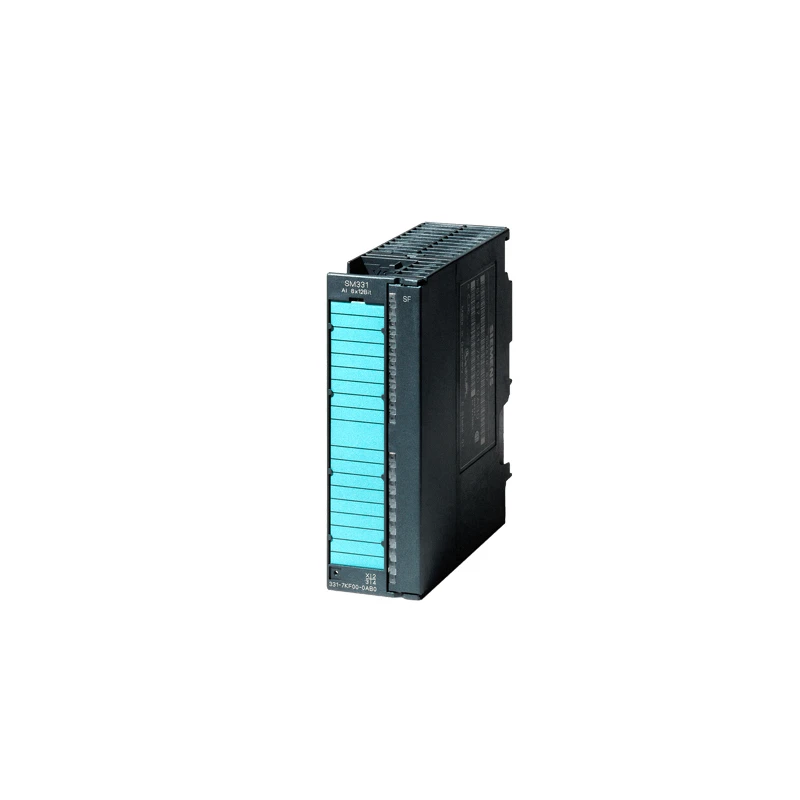
6es7 317 7tk10 0ab0
6sl3120 2te15 0ad0 manual
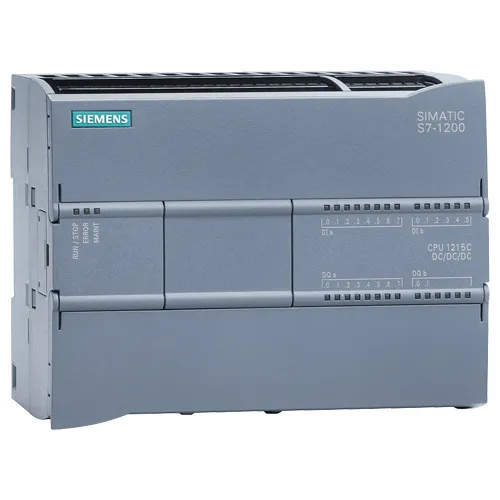
6sl3130 7te31 2aa3
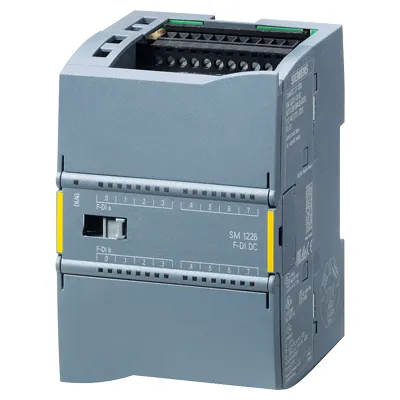
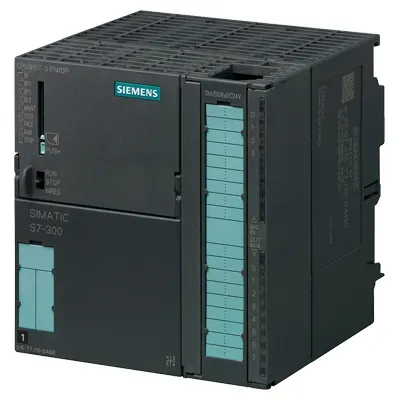
simatic s7 1500 cpu 1513 1 pn
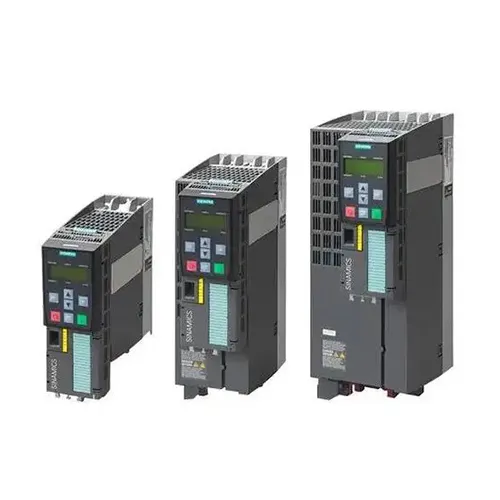
variable frequency drive motor
control unit cu320 2 pn manual
6sl3330 1te38 2aa3
We focus on providing one - stop international trade solutions including product procurement, international... logistics market consulting and supply chain management services
-
2026-04-06 06:24
318_3fl01_0ab0
6sl3244 0bb12 1pa1, 6sl3244 0bb13 1fa0, 6sl3255 0aa00 4ja2 is a key solution in the manufacturing industry, specifically within Electrical machinery and equipment manufacturing industry and Industrial control equipment manufacturing industry. This article explores how Tianjin Yongkai International Trade Co., Ltd. supports professionals with durable, high-performance products, and explains why this
-
2026-04-06 06:18
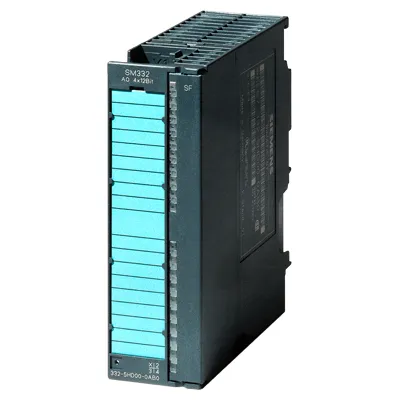
simatic_s7_300_siemens
The S7-300 Analog Input Module from Tianjin Yongkai International Trade Co., Ltd. is a cutting-edge component designed to meet the demands of modern industrial automation. With its advanced technical specifications and versatility, this module plays a critical role in ensuring precision and reliability across diverse applications. This article explores the features, advantages, technical details,
-
2026-04-06 04:13
vfd_servo_drive
Variable Frequency Drives ( VFDs ) have become indispensable in today’s industrial automation—enabling energy savings, process control, and extended equipment lifespan. This expertly crafted resource delves deeply into the world of vfd for sale and vfd drives for sale , analyzing industry trends, technical parameters, leading vendors, vfd for sale customization, and best-in-class application cases
Call Us or Fill the Form
- +8613821343088 +8613603111169
- xudong.an@tianjingyongkai.com
-
Room 1 - 543, Building E, Zhonghui Xiyuan Plaza, Central Business District, Binhai, Tianjin